News

News

How to Use Gel Wax for Stunning, Long-Lasting Candles?

2026-03-30 0 Leave me a message

Abstract

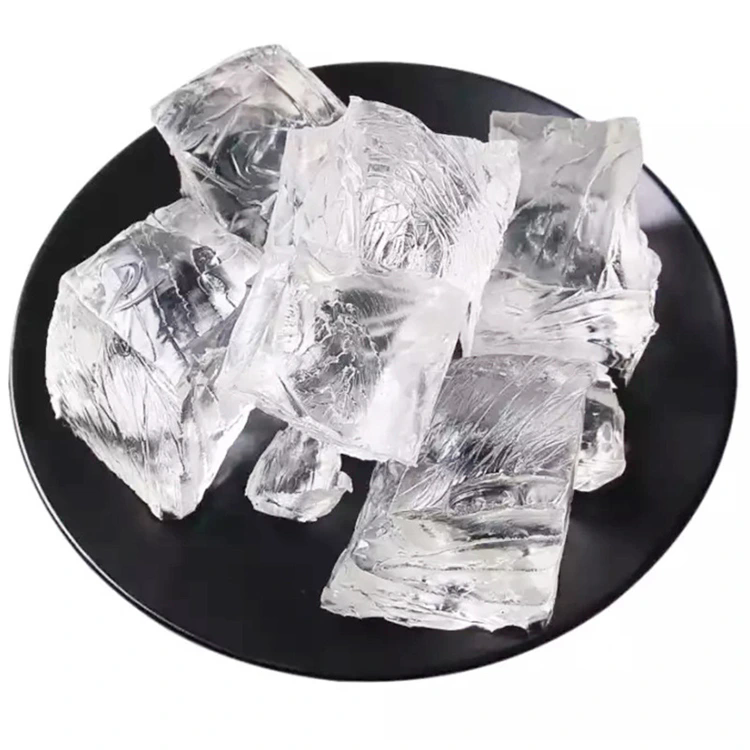
Gel wax has become a preferred material for candle makers seeking clarity, creativity, and extended burn time. Unlike traditional paraffin wax, gel wax offers a transparent, flexible medium that allows decorative embedding and unique visual effects. This guide provides a comprehensive breakdown of how to use gel wax effectively, covering material selection, safety considerations, step-by-step processes, and practical solutions to common challenges faced by both beginners and professionals.

Gel Wax

Table of Contents


Outline

  • Introduction to gel wax and its unique properties
  • Advantages compared to traditional candle waxes
  • Required tools and preparation steps
  • Detailed candle-making procedure
  • Optimization techniques for aesthetics and safety
  • Comparison with other wax types
  • Problem-solving and troubleshooting
  • Frequently asked questions

What is Gel Wax?

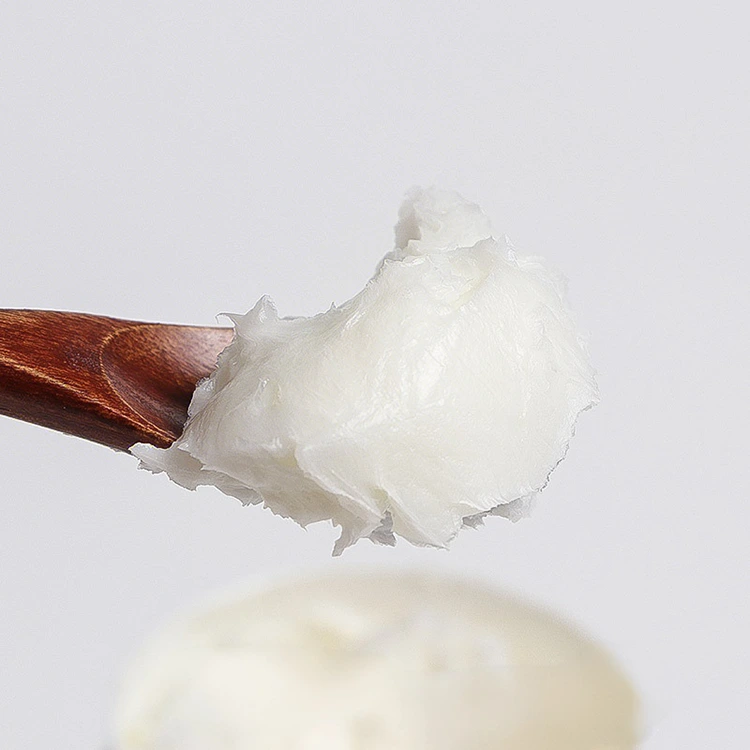
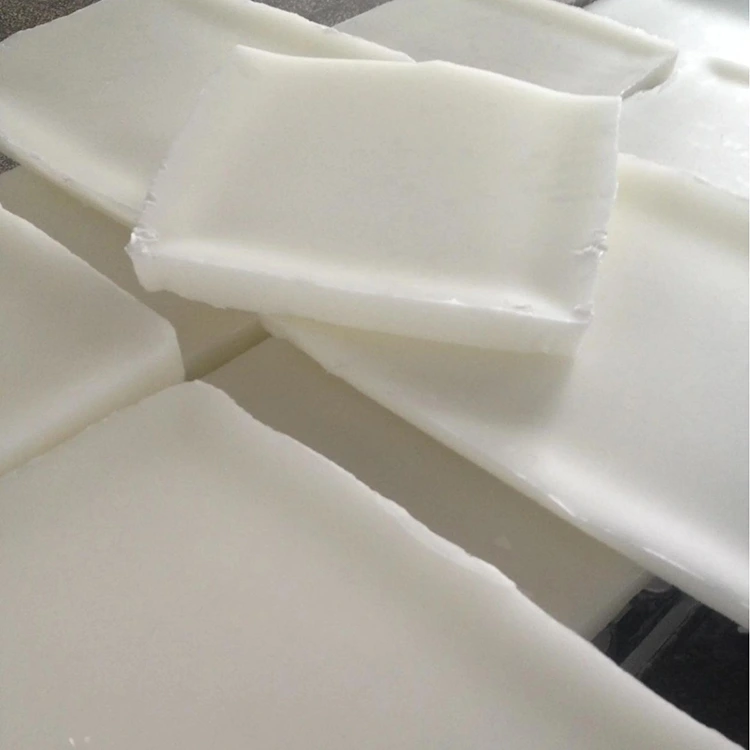
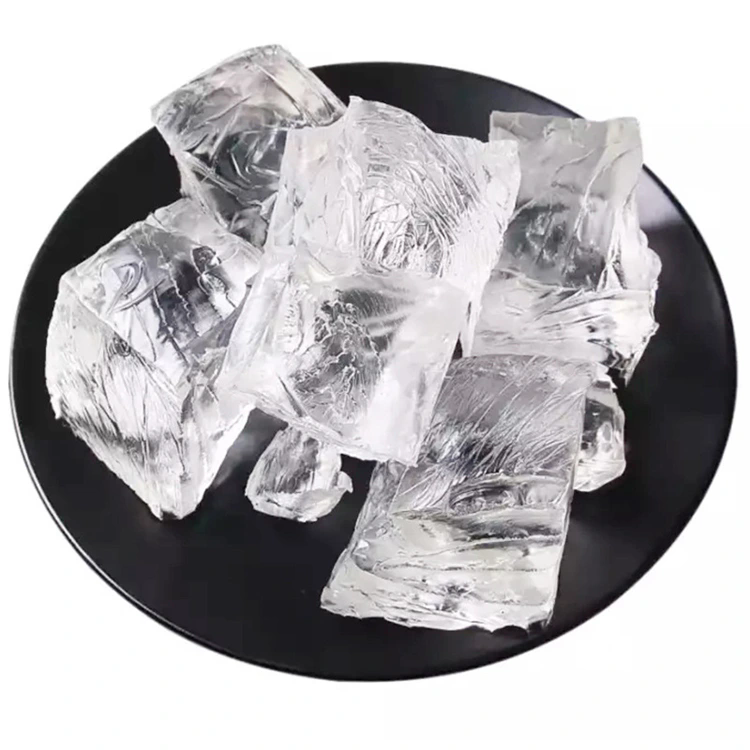
Gel wax is a transparent, rubbery substance composed primarily of mineral oil and polymer resin. Its defining characteristic is its crystal-clear appearance, which allows candle makers to create visually striking designs by embedding decorative items such as shells, beads, or colored layers.

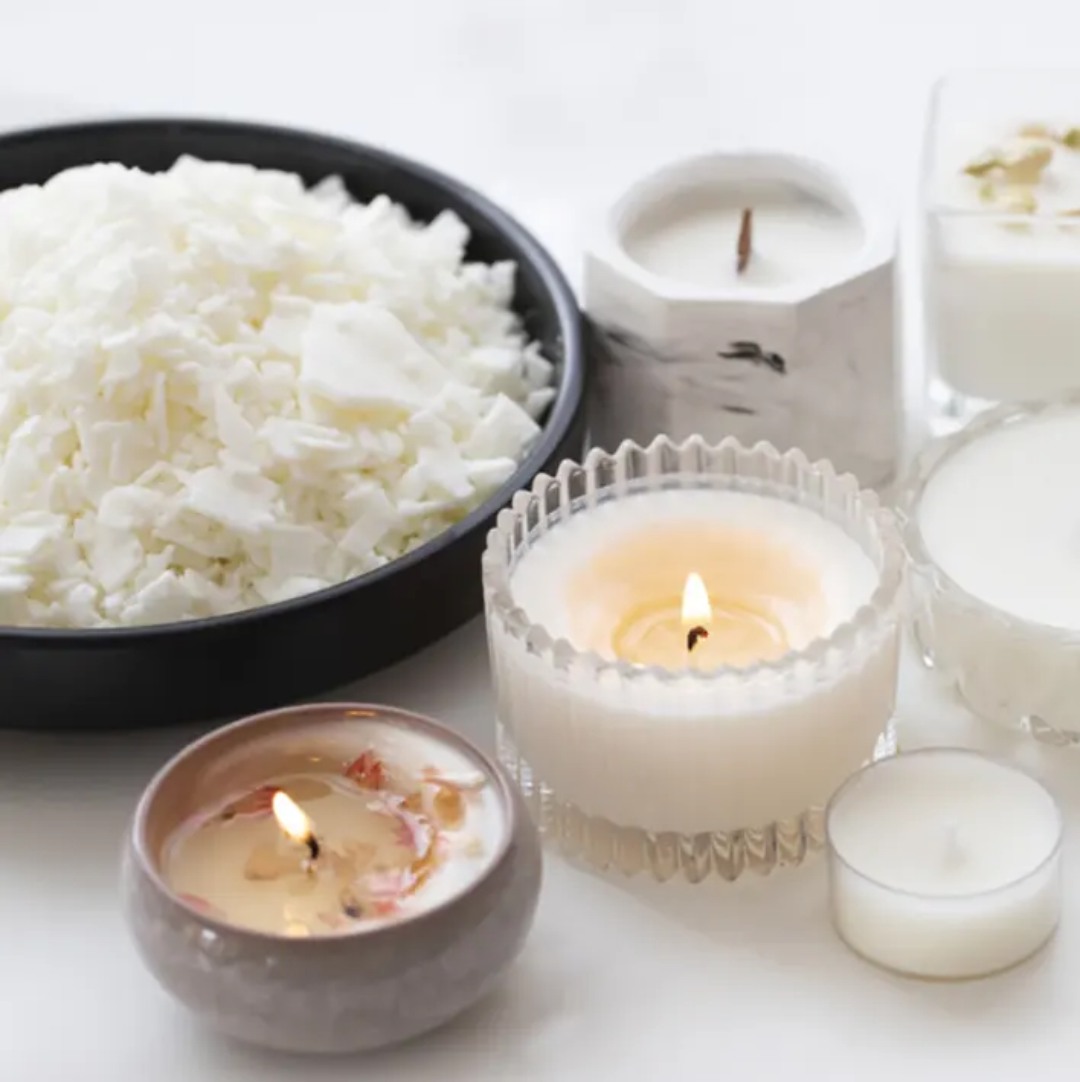
Unlike opaque waxes, gel wax enables a high level of customization and aesthetic appeal, making it particularly popular in premium decorative candle markets.


Key Benefits of Gel Wax

  • Transparency: Ideal for decorative and layered candles
  • Longer burn time: Burns slower than paraffin wax
  • Strong fragrance retention: Holds scent effectively
  • Creative flexibility: Supports embedded objects
  • Low shrinkage: Maintains structure during cooling

Essential Materials and Tools

Item Purpose
Gel Wax Main candle material
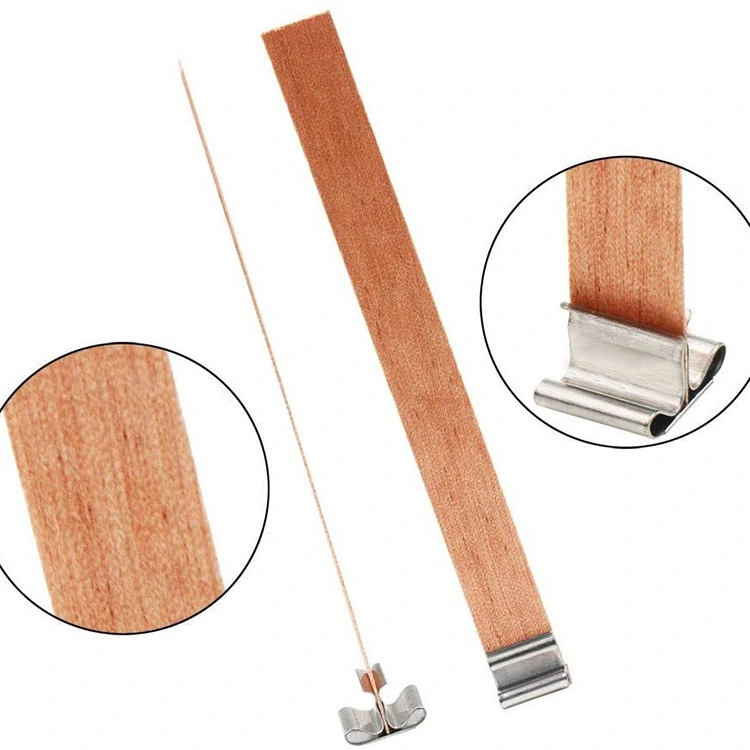
Wick (zinc core recommended) Ensures proper burning
Glass container Holds the candle safely
Fragrance oil Adds scent
Dye (optional) Provides color
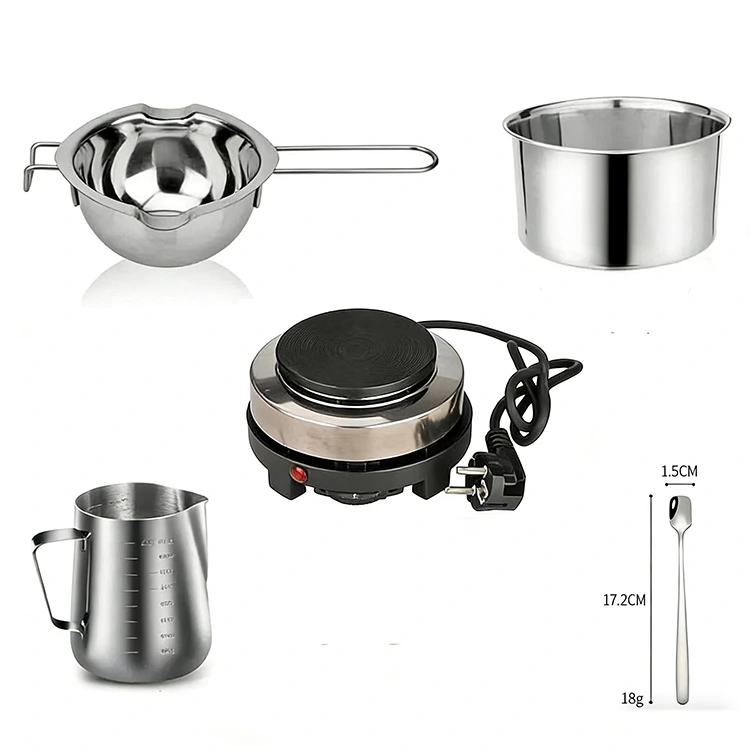
Double boiler Melts gel wax evenly
Thermometer Monitors temperature

Step-by-Step Guide to Using Gel Wax

Step 1: Prepare the Container

Clean and dry a heat-resistant glass container. Secure the wick at the center using adhesive or a wick holder.

Step 2: Melt the Gel Wax

Use a double boiler to melt the gel wax slowly. Maintain a temperature between 180°C and 200°C (356°F–392°F). Avoid overheating, as this may cause yellowing or bubbles.

Step 3: Add Fragrance and Color

Once melted, incorporate fragrance oil (typically 3–6%) and liquid dye if desired. Stir gently to avoid air bubbles.

Step 4: Decorative Embedding

Place non-flammable decorative items inside the container. Ensure they are positioned away from the wick to prevent hazards.

Step 5: Pour the Wax

Carefully pour the gel wax into the container at a steady pace to minimize bubble formation.

Step 6: Cooling and Setting

Allow the candle to cool at room temperature. Avoid moving it during this phase to maintain clarity and structure.


Professional Tips for Best Results

  • Use high-quality gel wax from trusted suppliers like Nanjing FNAT
  • Preheat containers slightly to reduce bubble formation
  • Avoid using porous or flammable decorations
  • Choose thicker wicks for higher-density gel
  • Work in a dust-free environment to maintain clarity

Gel Wax vs Traditional Wax

Feature Gel Wax Paraffin Wax
Appearance Transparent Opaque
Burn Time Longer Moderate
Decoration High flexibility Limited
Ease of Use Moderate Easy

Common Problems and Solutions

Problem: Air Bubbles

Solution: Pour slowly and preheat the container.

Problem: Cloudy Appearance

Solution: Avoid overheating and use compatible fragrance oils.

Problem: Poor Burning

Solution: Select the correct wick size based on gel density.

Problem: Yellowing

Solution: Maintain proper melting temperature and avoid prolonged heating.


FAQ

Can gel wax be reheated?

Yes, gel wax can be reheated carefully without degrading its quality.

Is gel wax safe?

When used correctly with proper materials and precautions, gel wax is safe for candle making.

What containers are best for gel wax candles?

Clear, heat-resistant glass containers are recommended to highlight transparency and ensure safety.

Can I mix gel wax with other waxes?

No, gel wax should not be mixed with paraffin or soy wax as it may compromise performance and safety.


Conclusion

Gel wax opens up a wide range of creative and commercial opportunities for candle makers. By understanding the correct techniques and avoiding common pitfalls, you can produce visually stunning, high-performance candles that stand out in the market.

For premium-quality materials and reliable supply, consider working with Nanjing FNAT. Their expertise in candle materials ensures consistent performance and professional-grade results. If you are looking to elevate your candle production or need tailored solutions, contact us today to explore how we can support your business growth.

Related News
Leave me a message
X
We use cookies to offer you a better browsing experience, analyze site traffic and personalize content. By using this site, you agree to our use of cookies. Privacy Policy
Reject Accept