News

News

How to Use Ice Flower Wax for Stunning Candle Designs and Superior Performance

2026-04-08 0 Leave me a message

Abstract

Ice Flower Wax has rapidly become a preferred material in the candle-making industry due to its unique crystalline texture and premium visual appeal. This article explores how to effectively use Ice Flower Wax to create high-quality candles that not only look exceptional but also meet performance expectations. Whether you are a manufacturer, wholesaler, or DIY enthusiast, this guide addresses common challenges such as uneven crystallization, scent retention, and surface defects.

Ice Flower Wax

Table of Contents


1. What Is Ice Flower Wax?

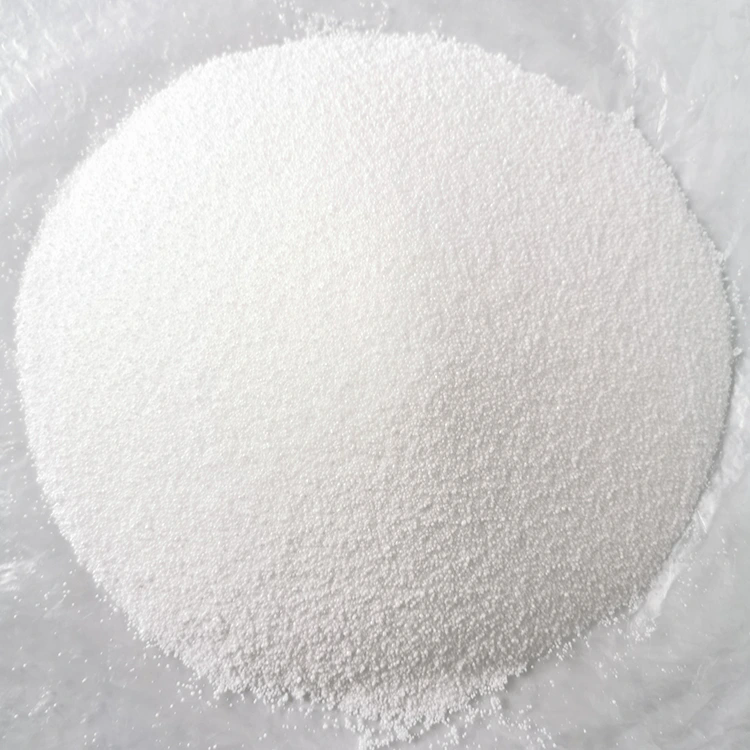
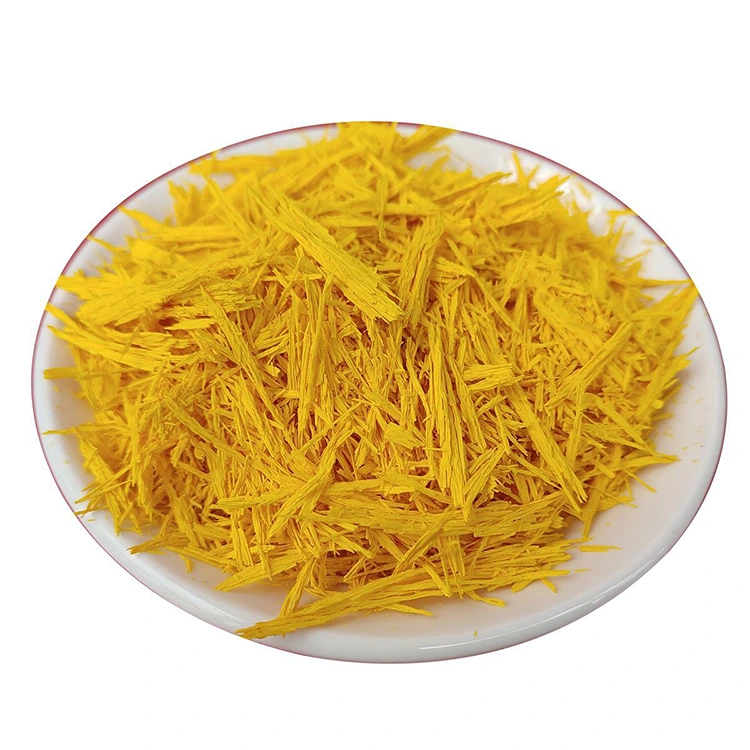
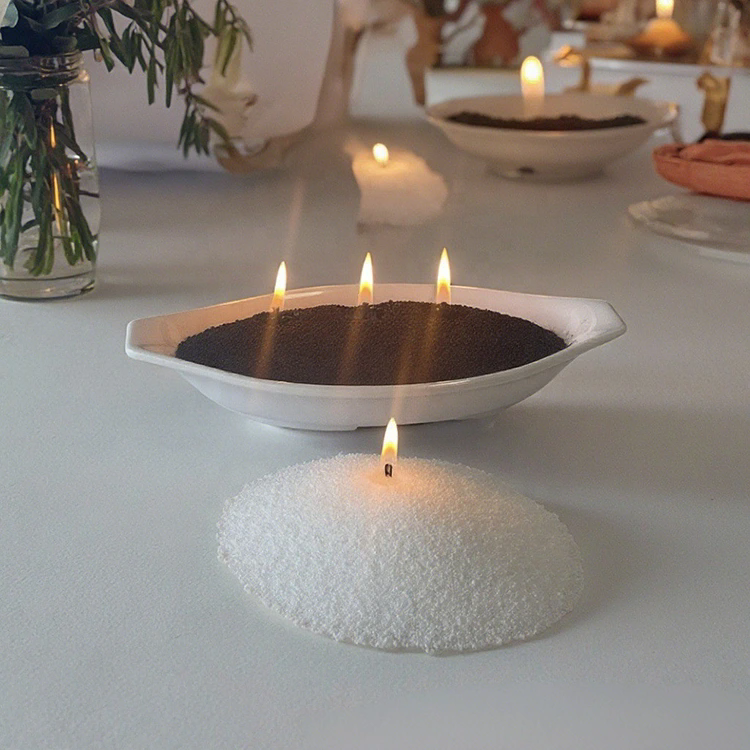
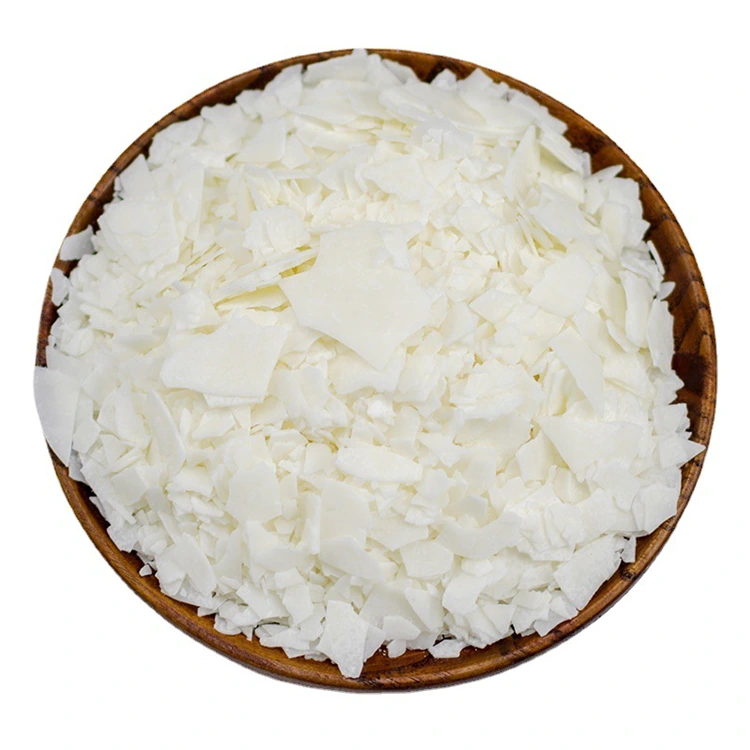
Ice Flower Wax is a specialized type of wax known for forming natural frost-like crystal patterns on the surface of candles. Unlike traditional paraffin or soy wax, it delivers a visually striking “ice bloom” effect without requiring complex additives.

This wax is widely used in decorative candles, premium gift products, and boutique candle lines. Manufacturers such as Nanjing FNAT have optimized formulations to ensure stable crystallization, consistent burning, and enhanced fragrance compatibility.


2. Key Benefits of Ice Flower Wax

  • Unique Aesthetic Appeal: Naturally forms elegant ice-like patterns.
  • High Market Value: Premium appearance increases product pricing potential.
  • Good Fragrance Retention: Works well with essential and synthetic oils.
  • Stable Burning: Provides a clean and even burn when properly processed.
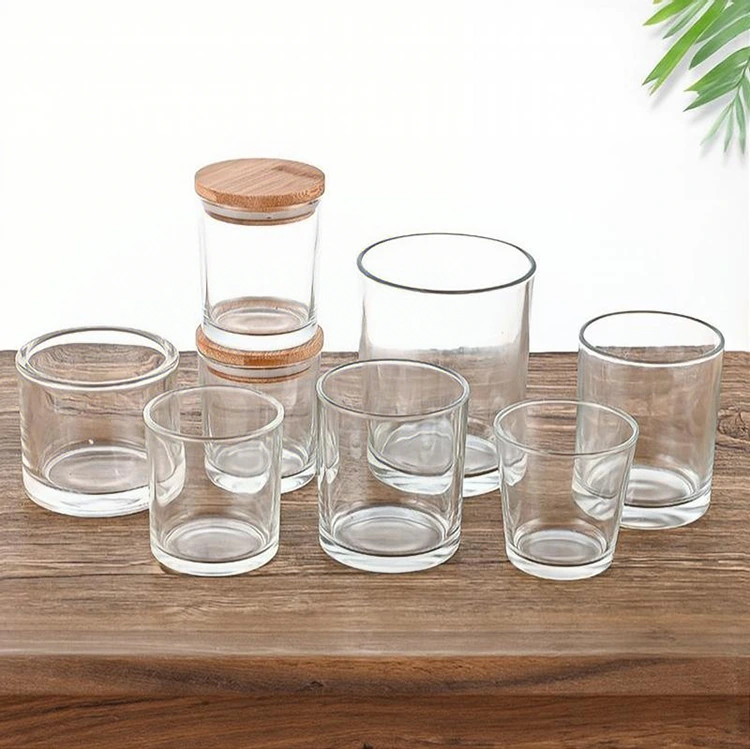
  • Versatility: Suitable for container candles, pillar candles, and artistic designs.

3. How to Use Ice Flower Wax Step by Step

Step 1: Melting the Wax

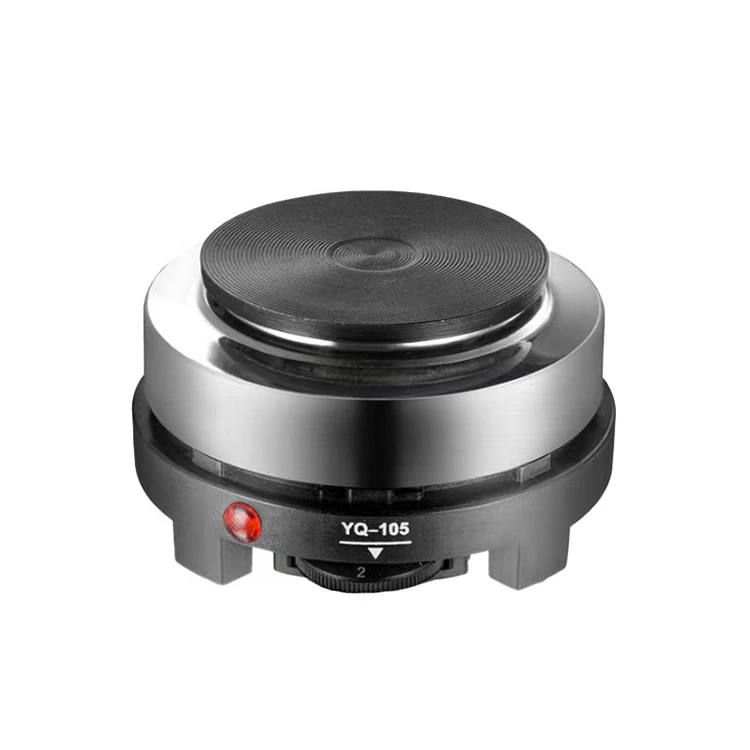
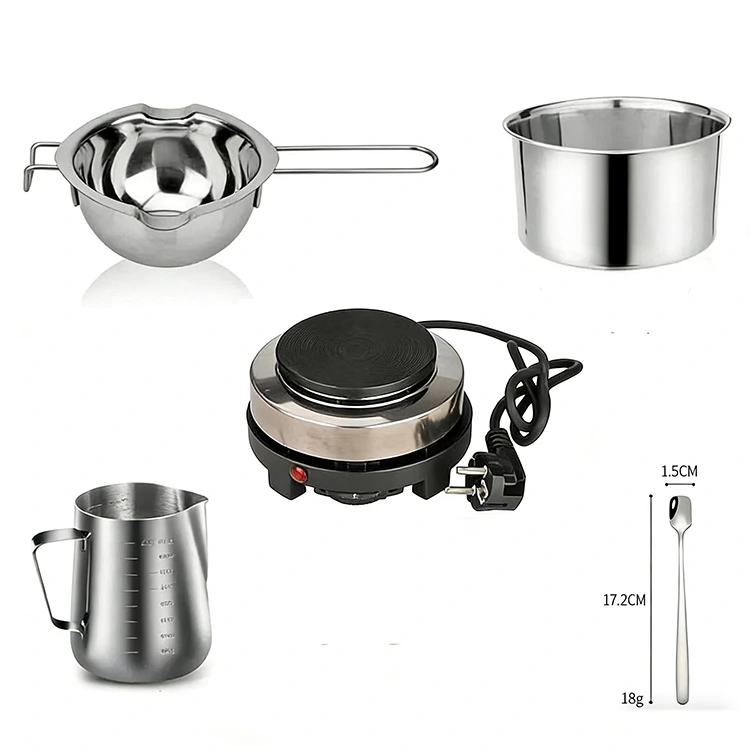
Heat the Ice Flower Wax slowly to a temperature between 80°C and 90°C. Avoid overheating, as excessive heat can damage the crystallization properties.

Step 2: Adding Fragrance and Color

Add fragrance oil at around 70°C. Stir gently to ensure uniform distribution. Use minimal dye if you want to preserve the natural crystal effect.

Step 3: Pouring

Pour the wax into containers at approximately 65°C–75°C. The pouring temperature directly affects the formation of ice flower patterns.

Step 4: Controlled Cooling

Allow the candle to cool naturally at room temperature. Avoid rapid cooling or airflow, as this can disrupt the crystal formation.

Step 5: Curing

Let the candle cure for 24–48 hours before use to achieve optimal fragrance throw and structural stability.


4. Common Problems and Solutions

  • No Ice Flower Effect: Likely due to incorrect pouring temperature. Adjust within recommended range.
  • Uneven Surface: Caused by inconsistent cooling conditions. Maintain stable ambient temperature.
  • Poor Scent Throw: Ensure proper fragrance ratio (typically 5%–8%).
  • Cracking: Avoid rapid cooling or placing candles in cold environments.

5. Application Scenarios

Ice Flower Wax is ideal for multiple commercial and creative applications:

  • Luxury decorative candles
  • Gift and seasonal products
  • Handcrafted artisan candles
  • Hotel and spa ambiance candles
  • Retail boutique collections

Its visual uniqueness helps brands differentiate their products in competitive markets.


6. Technical Comparison Table

Feature Ice Flower Wax Soy Wax Paraffin Wax
Appearance Crystalline, decorative Smooth, creamy Clear or opaque
Fragrance Load Medium to High Medium High
Burn Quality Clean with proper handling Clean Can produce soot
Market Position Premium Eco-friendly Cost-effective

7. Professional Tips for Better Results

  • Always test small batches before large-scale production.
  • Use high-quality fragrance oils compatible with specialty waxes.
  • Control room temperature between 20°C–25°C for optimal results.
  • Experiment with layering techniques for enhanced visual effects.
  • Partner with reliable suppliers like Nanjing FNAT for consistent material quality.

8. FAQ

Q1: Can beginners use Ice Flower Wax?

Yes, but it requires careful temperature control. Following precise instructions will yield excellent results.

Q2: Why is my candle not forming crystal patterns?

This is usually due to incorrect pouring temperature or rapid cooling conditions.

Q3: Is Ice Flower Wax environmentally friendly?

It depends on the formulation. Many modern variants are designed with improved environmental considerations.

Q4: Can I mix Ice Flower Wax with other waxes?

Blending is possible, but it may reduce or eliminate the signature crystal effect.


Conclusion

Ice Flower Wax offers a compelling combination of aesthetic appeal and functional performance, making it an excellent choice for high-end candle production. By mastering temperature control, pouring techniques, and curing conditions, users can consistently achieve visually stunning and commercially viable results.

For premium-quality Ice Flower Wax and professional support, Nanjing FNAT provides reliable solutions tailored to your production needs. Explore more about this material here: Ice Flower Wax Product Page.

Looking to elevate your candle business or product line? Contact us today to discover how our materials and expertise can help you achieve exceptional results and stand out in the market.

Related News
Leave me a message
X
We use cookies to offer you a better browsing experience, analyze site traffic and personalize content. By using this site, you agree to our use of cookies. Privacy Policy
Reject Accept