News

News

How Do Candle Dyes Transform Candle Quality and Color Performance?

2026-03-23 0 Leave me a message

Article Summary

Candle dyes play a critical role in determining the visual appeal, consistency, and overall quality of candles. Choosing the right dye can be challenging due to variations in wax compatibility, color stability, and performance under heat. This article provides a complete guide on how candle dyes work, how to select the right type, and how to solve common issues such as uneven coloring, fading, and poor solubility. Whether for hobbyists or industrial manufacturers, understanding candle dyes is essential for achieving professional-grade results.

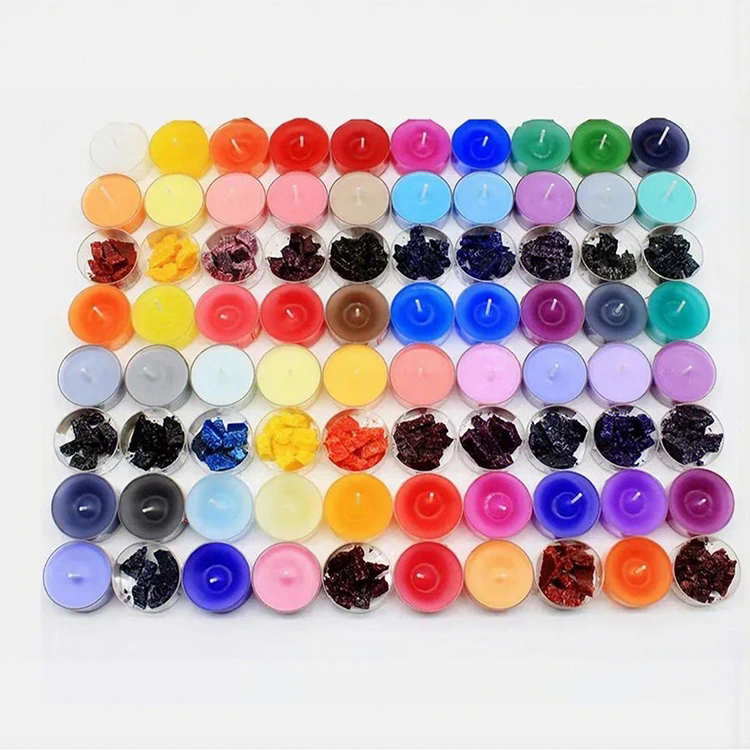
Block Candle Dyes

Table of Contents


1. What Are Candle Dyes?

Candle dyes are color additives specifically designed to blend with wax materials such as paraffin, soy wax, beeswax, and gel wax. Unlike general pigments, candle dyes are formulated to dissolve evenly in melted wax without affecting burning performance or fragrance diffusion.

These dyes are widely used in decorative candles, aromatherapy candles, and industrial candle production. High-quality candle dyes ensure vibrant colors, uniform distribution, and long-lasting visual appeal.


2. How Do Candle Dyes Work?

Candle dyes function by dissolving into melted wax at specific temperatures. Once mixed thoroughly, the dye molecules disperse evenly throughout the wax, creating a consistent color. As the wax cools and solidifies, the color becomes locked into the candle structure.

  • Heat activates dye solubility
  • Stirring ensures uniform dispersion
  • Cooling stabilizes the final color appearance

The performance of candle dyes depends on factors such as wax type, melting point, and dye concentration.


3. Common Problems Customers Face

Many users encounter issues when working with candle dyes, especially without proper technical understanding.

  • Uneven Color Distribution: Caused by insufficient mixing or low-quality dyes
  • Color Fading: Exposure to UV light or excessive heat
  • Poor Solubility: Incompatible dye with specific wax types
  • Clogged Wicks: Overuse of dye concentration

Addressing these challenges requires selecting the right dye formulation and following proper application methods.


4. Types of Candle Dyes

Understanding different types of candle dyes helps users choose the most suitable option for their needs.

  • Liquid Dyes: Easy to use, ideal for precise color control
  • Dye Chips: Pre-measured, convenient for consistent batches
  • Dye Blocks: Suitable for large-scale production
  • Pigment Powders: Provide opaque colors but may require careful handling

Each type offers unique advantages depending on the scale of production and desired finish.


5. Key Technical Parameters

Parameter Description
Solubility Ability to dissolve completely in melted wax
Color Strength Intensity achieved with minimal dosage
Thermal Stability Resistance to color degradation at high temperatures
Light Fastness Resistance to fading under UV exposure
Compatibility Suitability for paraffin, soy, beeswax, or gel wax
Recommended Dosage Typical usage ratio (e.g., 0.1%–0.5%)

Products developed by Nanjing FNAT focus on consistent solubility, strong color performance, and stability across different wax systems, making them suitable for both artisanal and industrial applications.


6. How to Choose the Right Candle Dye

Selecting the correct candle dye involves evaluating several critical factors:

  • Wax Type: Ensure compatibility with soy, paraffin, or other waxes
  • Desired Color Effect: Transparent, pastel, or deep tones
  • Production Scale: Small batch or mass manufacturing
  • Environmental Conditions: Heat exposure and lighting conditions
  • Cost Efficiency: Balance between price and performance

Choosing a reliable supplier ensures stable product quality and technical support.


7. Application Tips for Best Results

Proper usage techniques significantly impact the final appearance and performance of candles.

  • Add dye at the recommended melting temperature
  • Stir thoroughly to ensure even distribution
  • Test small batches before full production
  • Avoid excessive dye concentration
  • Store dyes in a cool, dry environment

Following these practices helps achieve consistent color quality and reduces production errors.


8. Frequently Asked Questions

Q1: Why does my candle color look different after cooling?

Color changes can occur due to temperature variations and wax composition. Testing is recommended to achieve the desired shade.

Q2: Can candle dyes affect fragrance performance?

High-quality dyes do not interfere with fragrance throw when used within recommended dosage levels.

Q3: How much dye should be used?

Typical usage ranges from 0.1% to 0.5%, depending on the desired color intensity and dye strength.

Q4: Are candle dyes safe for all wax types?

Not all dyes are universally compatible. Always check product specifications before use.


9. Conclusion

Candle dyes are essential for achieving high-quality, visually appealing candles with consistent performance. From selecting the right type to applying proper techniques, each step plays a crucial role in the final product.

With reliable solutions from Nanjing FNAT, manufacturers and creators can achieve stable color performance, improved efficiency, and enhanced product value.

For customized solutions, product details, or bulk supply inquiries, contact us today to discover how professional candle dye solutions can support your business growth.

Related News
Leave me a message
X
We use cookies to offer you a better browsing experience, analyze site traffic and personalize content. By using this site, you agree to our use of cookies. Privacy Policy
Reject Accept