News

News

Why Is Candle Wax Essential for Candle Performance and Quality?

2026-03-12 0 Leave me a message

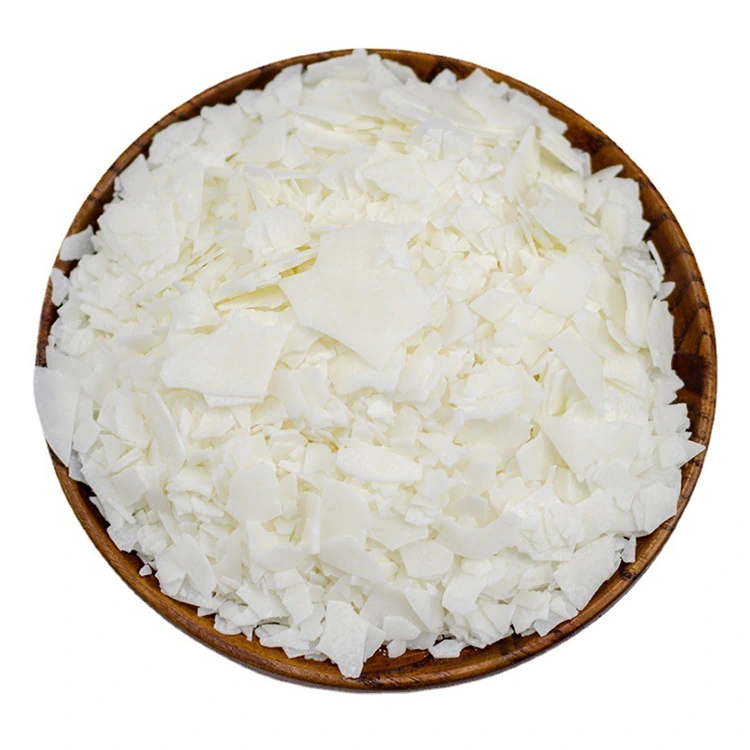
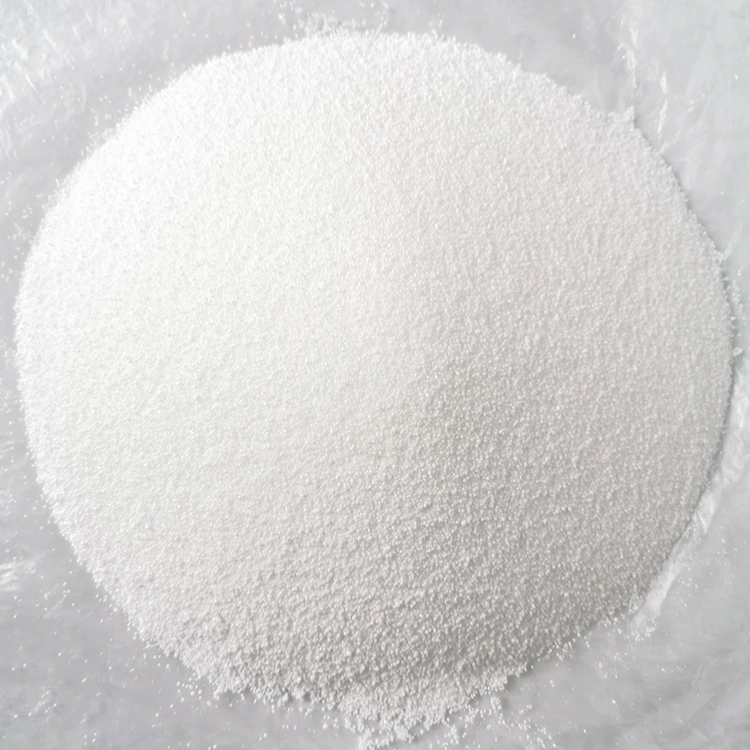
Candle wax is the core material that determines how a candle burns, smells, looks, and performs. Choosing the right candle wax can affect burn time, fragrance throw, smoke levels, environmental impact, and overall customer satisfaction. With many wax types available today—such as paraffin, soy, beeswax, coconut wax, and blended waxes—buyers often face confusion about which option best meets their needs.

This comprehensive guide explores the science, properties, and applications of candle wax in detail. It explains the differences between common wax types, how wax composition influences candle performance, and how manufacturers optimize wax formulations for various uses such as aromatherapy candles, decorative candles, and container candles. The article also addresses common challenges faced by buyers, including poor fragrance diffusion, uneven burning, and environmental concerns.

Additionally, we examine industry innovations and how experienced manufacturers like Nanjing FNAT Chemical Co.,Ltd. provide advanced wax materials designed to improve candle performance and production efficiency.

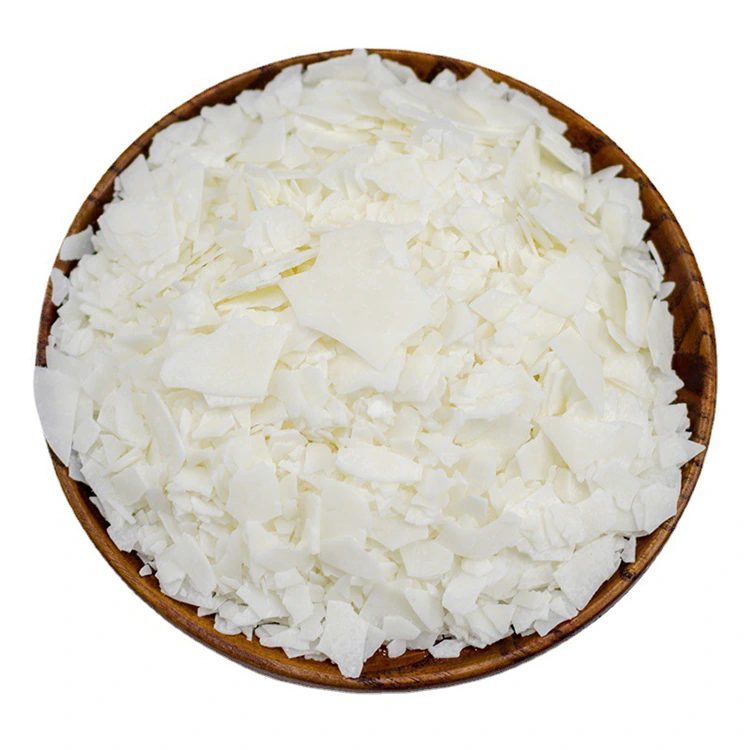
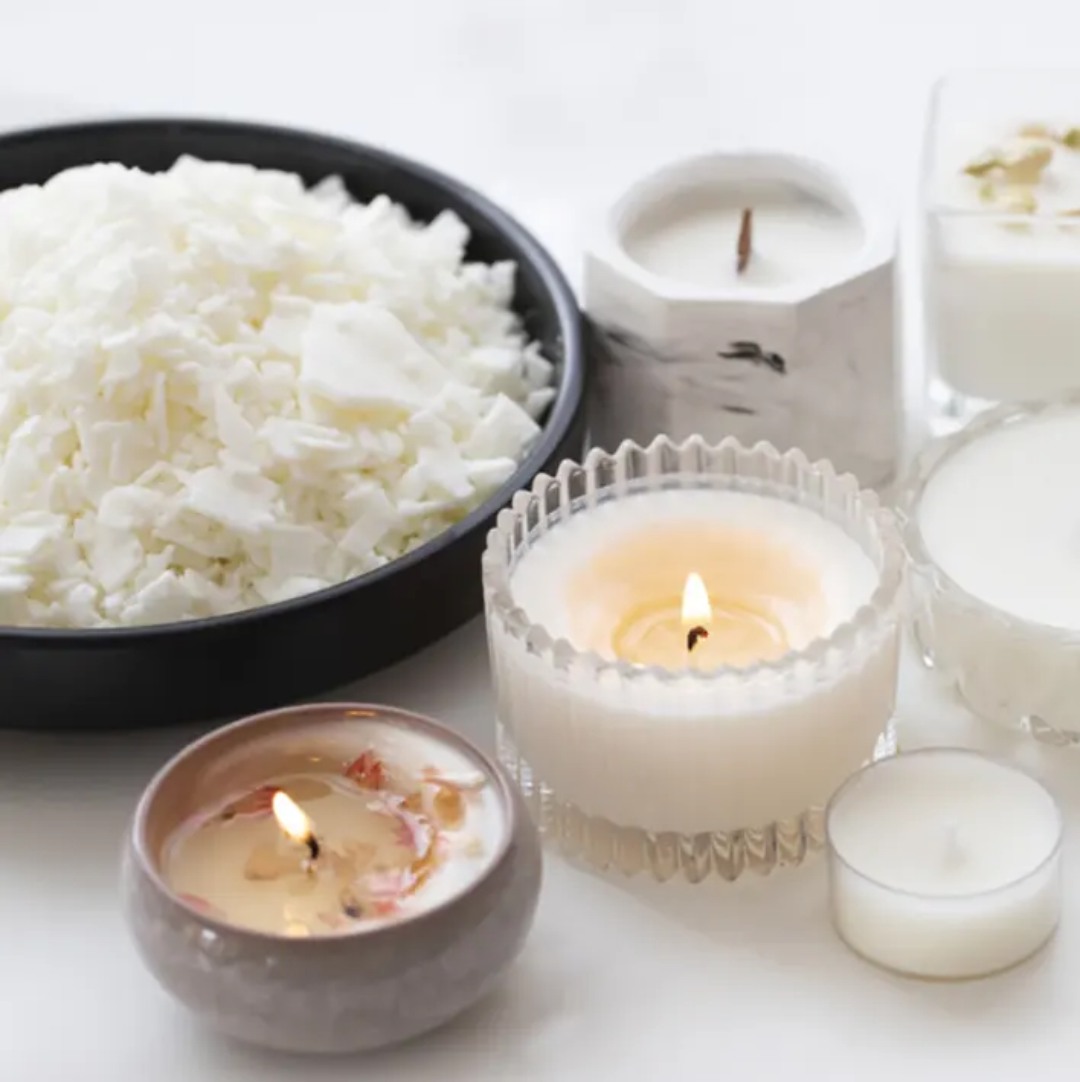
Candle wax


Table of Contents

  • 1. What Is Candle Wax?
  • 2. Why Candle Wax Quality Matters
  • 3. Types of Candle Wax Used in the Industry
  • 4. Comparison of Popular Candle Wax Types
  • 5. How Candle Wax Affects Candle Performance
  • 6. Key Factors When Selecting Candle Wax
  • 7. Common Problems with Candle Wax and Their Solutions
  • 8. Manufacturing Process of Candle Wax
  • 9. Applications of Candle Wax Across Industries
  • 10. Sustainability and Eco-Friendly Candle Wax Options
  • 11. Frequently Asked Questions (FAQ)
  • 12. Conclusion

1. What Is Candle Wax?

Candle wax is a combustible substance used as the primary fuel source in candle production. When a candle is lit, the heat from the flame melts the wax near the wick. The liquid wax is drawn up the wick through capillary action and vaporized, creating the flame that produces light and heat.

Different wax materials have distinct chemical compositions, melting points, and combustion behaviors. These characteristics influence factors such as:

  • Burn duration
  • Fragrance release
  • Smoke production
  • Texture and appearance
  • Environmental impact

Modern candle manufacturing relies on carefully formulated wax materials developed by specialized suppliers like Nanjing FNAT Chemical Co.,Ltd., which provides high-quality wax solutions designed for commercial candle production.


2. Why Candle Wax Quality Matters

For candle manufacturers, the quality of candle wax directly affects product performance and customer satisfaction. Poor wax selection can lead to several issues, including tunneling, weak fragrance throw, excessive soot, or unstable flames.

High-quality wax ensures:

  • Consistent burning behavior
  • Efficient fragrance diffusion
  • Clean and stable flames
  • Longer burn time
  • Attractive appearance

Professional wax suppliers such as Nanjing FNAT Chemical Co.,Ltd. focus on refining wax purity, optimizing melting points, and enhancing compatibility with fragrance oils and dyes to deliver superior candle materials.


3. Types of Candle Wax Used in the Industry

Several types of wax are commonly used in candle manufacturing. Each has unique characteristics that make it suitable for specific applications.

  • Paraffin Wax
  • Soy Wax
  • Beeswax
  • Coconut Wax
  • Palm Wax
  • Blended Wax

Manufacturers often select wax based on factors such as cost, sustainability, burn quality, and fragrance compatibility.


4. Comparison of Popular Candle Wax Types

Wax Type Main Source Burn Quality Fragrance Throw Environmental Impact
Paraffin Wax Petroleum Strong and stable flame Excellent Moderate
Soy Wax Soybeans Clean burning Moderate Eco-friendly
Beeswax Honeybees Very clean Natural aroma Highly sustainable
Coconut Wax Coconut oil Slow burn Excellent Eco-friendly
Palm Wax Palm oil Crystal texture Moderate Depends on sourcing

Blended waxes developed by manufacturers like Nanjing FNAT Chemical Co.,Ltd. combine different wax materials to achieve optimized performance in scent throw, burning consistency, and production efficiency.


5. How Candle Wax Affects Candle Performance

The physical and chemical properties of candle wax influence many aspects of candle performance.

  • Melting Point: Determines how fast the candle burns.
  • Oil Absorption: Affects fragrance retention.
  • Hardness: Impacts structural stability.
  • Color Compatibility: Determines dye absorption.
  • Surface Finish: Affects the visual quality.

Advanced wax formulations developed by Nanjing FNAT Chemical Co.,Ltd. are designed to provide stable burn pools, improved scent distribution, and enhanced candle aesthetics.


6. Key Factors When Selecting Candle Wax

When choosing candle wax for manufacturing or product development, buyers should evaluate several key factors:

  • Desired burn time
  • Fragrance load capacity
  • Container or pillar candle compatibility
  • Environmental considerations
  • Production cost
  • Visual appearance

Working with experienced suppliers such as Nanjing FNAT Chemical Co.,Ltd. allows manufacturers to customize wax blends according to specific candle designs and performance requirements.


7. Common Problems with Candle Wax and Their Solutions

Problem Cause Solution
Tunneling Incorrect wax hardness Adjust wax formulation
Weak fragrance Low fragrance load capacity Use higher absorption wax
Soot production Poor wax purity Use refined wax
Uneven burning Inconsistent wax composition Improve wax blending process

8. Manufacturing Process of Candle Wax

The production of candle wax involves multiple steps depending on the raw material source.

  1. Raw material extraction
  2. Refining and purification
  3. Melting and filtration
  4. Additive blending
  5. Quality testing
  6. Packaging and distribution

Manufacturers like Nanjing FNAT Chemical Co.,Ltd. implement strict quality control procedures to ensure consistent wax purity and reliable performance in large-scale candle production.


9. Applications of Candle Wax Across Industries

Although candle wax is most commonly associated with decorative and aromatic candles, its applications extend across multiple industries.

  • Home fragrance products
  • Aromatherapy candles
  • Religious and ceremonial candles
  • Luxury decorative candles
  • Emergency lighting candles
  • Art and craft projects

With the increasing demand for premium candles, high-performance wax supplied by companies such as Nanjing FNAT Chemical Co.,Ltd. has become essential for manufacturers seeking reliable and high-quality raw materials.


10. Sustainability and Eco-Friendly Candle Wax Options

Environmental awareness has significantly influenced the candle industry. Many consumers now prefer natural wax alternatives that reduce environmental impact.

Popular eco-friendly wax options include:

  • Soy wax
  • Coconut wax
  • Beeswax
  • Plant-based blended wax

Manufacturers are investing in sustainable sourcing and advanced wax processing technologies to meet the growing demand for environmentally responsible candle products.


11. Frequently Asked Questions (FAQ)

Q1: Which candle wax burns the longest?

Beeswax and coconut wax generally burn longer than paraffin or soy wax because of their higher density and slower melting rate.

Q2: What candle wax holds fragrance best?

Paraffin wax is known for excellent fragrance throw, but modern blended waxes developed by companies like Nanjing FNAT Chemical Co.,Ltd. can achieve similar or better results while offering improved sustainability.

Q3: Is soy wax better than paraffin wax?

Soy wax is often preferred for its renewable source and clean-burning properties, but paraffin wax still provides strong fragrance diffusion and lower cost.

Q4: Can candle wax be blended?

Yes. Blending wax types allows manufacturers to combine desirable properties such as improved burn stability, enhanced scent throw, and smoother appearance.

Q5: How do manufacturers improve candle wax performance?

Advanced refining techniques, additive technologies, and precise formulation are used by suppliers like Nanjing FNAT Chemical Co.,Ltd. to improve wax stability and candle performance.


12. Conclusion

Candle wax is far more than a simple fuel for candles. Its composition, purity, and formulation play a critical role in determining candle performance, fragrance quality, and environmental impact. Understanding the characteristics of different wax types allows manufacturers and buyers to select the most suitable materials for their products.

As the candle industry continues to evolve, the demand for high-performance and sustainable wax solutions is increasing rapidly. Reliable suppliers such as Nanjing FNAT Chemical Co.,Ltd. provide advanced candle wax materials designed to meet modern manufacturing standards while ensuring excellent burning performance and product consistency.

If you are looking for premium candle wax solutions, customized formulations, or reliable bulk supply for your candle manufacturing business, contact us today. The professional team at Nanjing FNAT Chemical Co.,Ltd. is ready to provide expert guidance and high-quality materials to support your production needs.


Related News
Leave me a message
X
We use cookies to offer you a better browsing experience, analyze site traffic and personalize content. By using this site, you agree to our use of cookies. Privacy Policy
Reject Accept