News

News

What Makes Palm Wax a Reliable Choice for High-Quality Candle Production?

2026-11-05 0 Leave me a message

Palm wax has become an important plant-based material in the candle-making industry because of its distinctive crystalline appearance, firm structure, and ability to create decorative candle surfaces. However, choosing the right palm wax involves more than simply looking at its natural origin. Manufacturers and candle makers need to understand its characteristics, melting behavior, formulation requirements, environmental considerations, and compatibility with different candle designs. This guide explores how palm wax works, its main benefits and limitations, practical applications, and the factors buyers should evaluate when sourcing it. Whether you are developing a new candle collection or improving an existing production process, understanding these details can help you achieve more consistent product quality and make better purchasing decisions.

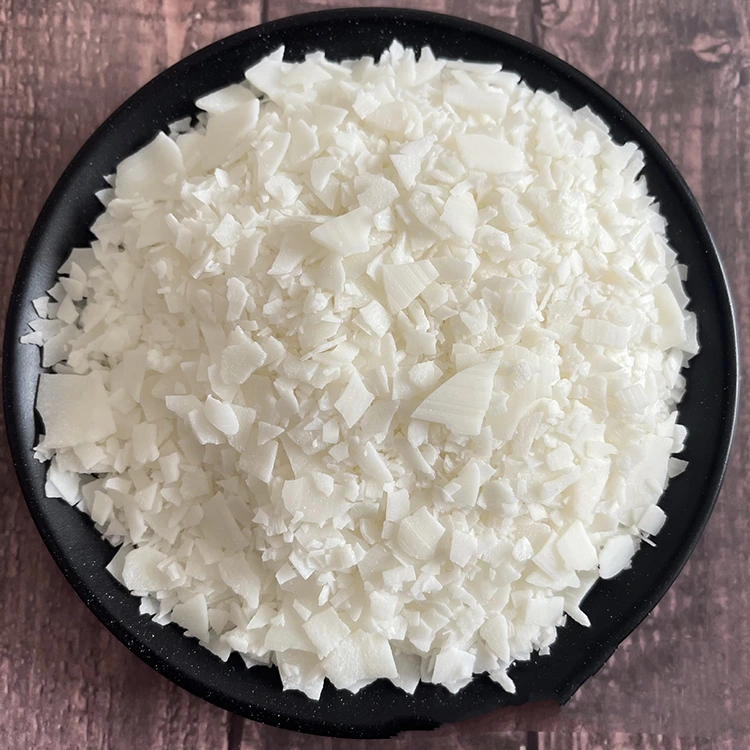
Palm wax


1. What Is Palm Wax?

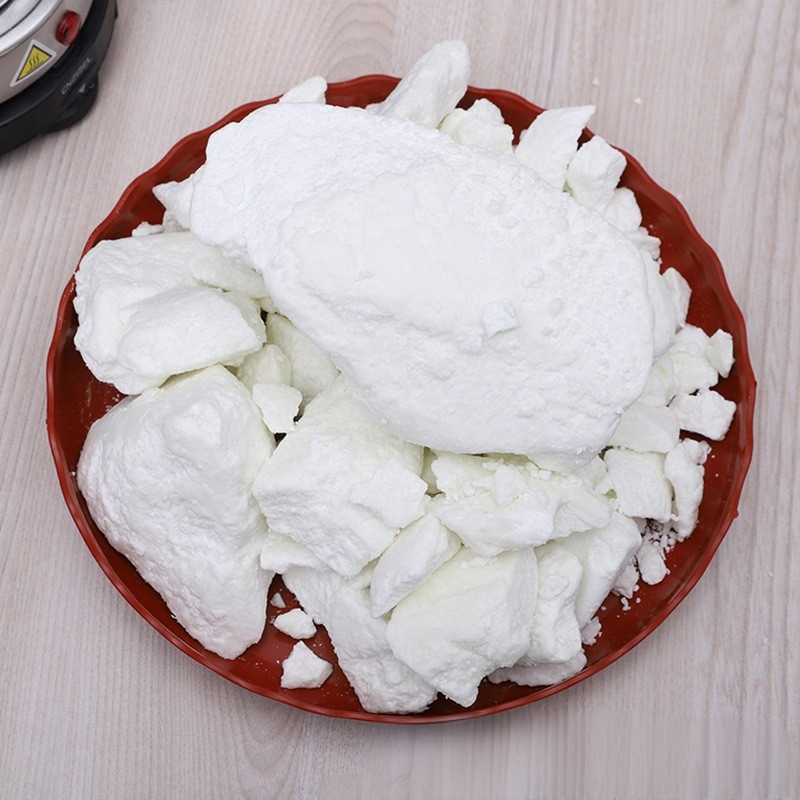
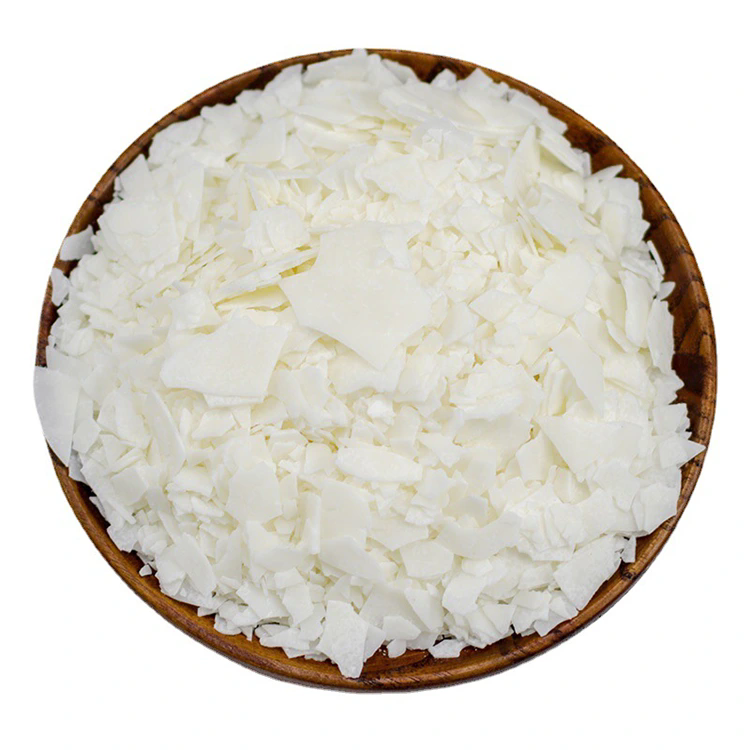
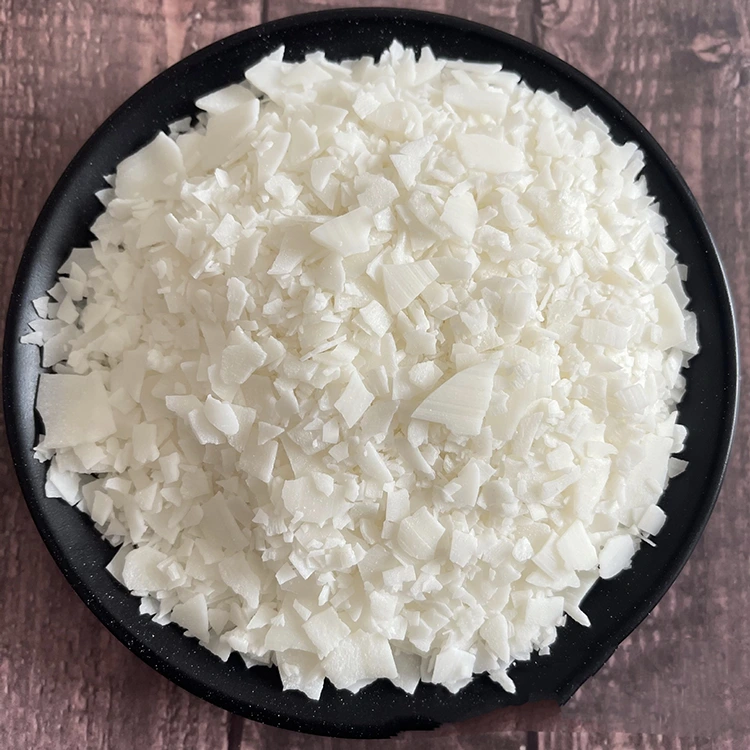
Palm wax is a vegetable-based wax derived from palm oil. It is widely used in candle manufacturing and other applications that require a relatively firm, stable wax material. Unlike petroleum-derived paraffin wax, palm wax comes from a renewable agricultural resource, making it an alternative that attracts manufacturers interested in plant-based ingredients.

One of its most recognizable features is its natural crystalline structure. When properly formulated and cooled, palm wax can develop attractive patterns across the candle surface, including feather-like, crystalline, and frost-like textures. These visual effects make it particularly appealing for decorative candles and premium candle collections.

However, palm wax is not a single uniform material. Different grades and formulations can have different melting points, hardness levels, setting characteristics, and application requirements. Some products are designed specifically for container candles, while others are more suitable for pillar candles or molded decorative products.

Understanding Different Palm Wax Grades

Commercial palm wax products may be categorized according to their intended applications and physical properties.

  • Container palm wax: Designed for candles poured into glass jars, tins, and other containers.
  • Pillar palm wax: Generally formulated to provide sufficient hardness and structural strength for freestanding candles.
  • Decorative palm wax: Selected for its ability to create distinctive surface patterns and visual effects.
  • Blended palm wax: Combined with other waxes or additives to adjust performance, workability, and finished candle characteristics.
Practical Tip: Buyers should always check the technical data sheet of a specific palm wax grade. The term "palm wax" alone does not guarantee that a material is suitable for every candle-making process.

2. How Is Palm Wax Produced?

The production of palm wax begins with palm oil obtained from the fruit of oil palm trees. Through industrial processing, the oil is refined and separated into different fractions with distinct physical properties. Certain solid fractions can then be further processed and formulated for wax applications.

The Main Production Stages

  1. Raw material extraction: Palm fruits are processed to obtain crude palm oil.
  2. Oil refining: Impurities and unwanted components are removed to improve the quality and consistency of the oil.
  3. Fractionation: The refined oil is separated into fractions according to their melting and crystallization characteristics.
  4. Further processing: Selected fractions are processed and adjusted to achieve the desired wax properties.
  5. Quality testing: The finished material is evaluated for relevant physical and chemical specifications before packaging.

Production conditions can influence the final wax structure and performance. For manufacturers, controlling raw material consistency, processing conditions, and finished-product specifications is essential to achieving reliable results between batches.

It is also important to distinguish palm wax from palm stearin and other palm oil fractions. Although these materials are related, they are not automatically interchangeable. Their intended applications and performance characteristics may differ.


3. What Are the Main Characteristics of Palm Wax?

Palm wax offers several properties that make it useful for candle manufacturing. Understanding these characteristics helps buyers determine whether a particular grade matches their production requirements.

3.1 Distinctive Crystalline Appearance

One of the most attractive characteristics of palm wax is its ability to develop visible crystalline patterns during cooling. Depending on the formulation, pouring temperature, cooling rate, and mold conditions, the finished candle may display feather-like or naturally textured patterns.

This appearance can help candle brands create products with a distinctive visual identity without relying entirely on additional decorative materials.

3.2 Firmness and Structural Stability

Many palm wax formulations provide relatively firm structures after solidification. This property can be beneficial for freestanding candles and molded products that need to retain their shape during storage, handling, and transportation.

Nevertheless, hardness varies by grade. A formulation intended for container candles may not provide the same structural performance as one designed for pillar applications.

3.3 Melting and Solidification Behavior

Palm wax has a defined melting and crystallization range that depends on its composition. Its thermal behavior influences pouring temperature, cooling time, mold release, and finished candle appearance.

Using an unsuitable processing temperature may result in uneven surfaces, poor adhesion, or unwanted crystallization patterns. Following the supplier's technical recommendations is therefore important.

3.4 Compatibility with Fragrance and Colorants

Palm wax can be used with suitable candle fragrances and colorants. However, fragrance loading, fragrance compatibility, and color distribution should be tested for each formulation.

Adding too much fragrance may affect candle hardness, surface appearance, and burning performance. A controlled formulation and appropriate wick selection are necessary to achieve consistent results.

3.5 Renewable Plant-Based Origin

As a vegetable-derived material, palm wax provides an alternative to conventional petroleum-based candle waxes. Its environmental profile, however, depends on agricultural sourcing, land management, processing practices, and supply chain transparency.


4. Why Do Candle Makers Choose Palm Wax?

For candle manufacturers, material selection affects not only the appearance of the final product but also production efficiency, product positioning, and customer satisfaction. Palm wax offers several advantages that make it worth considering.

4.1 Creates Premium-Looking Decorative Candles

Consumers often associate attractive textures and carefully finished surfaces with higher product value. The crystalline appearance of palm wax can help manufacturers develop decorative candles for home decoration, gifts, seasonal collections, and boutique retail markets.

4.2 Supports Different Candle Designs

Depending on the grade, palm wax can be used in various product formats. Manufacturers can select suitable formulations for containers, pillars, molded shapes, and decorative candles.

4.3 Provides a Plant-Based Material Option

Brands looking to diversify their raw material portfolio may consider palm wax as part of a broader plant-based product strategy. It can help meet the interests of customers who prefer vegetable-derived candle ingredients.

4.4 Offers Formulation Flexibility

Palm wax can be used alone or blended with other compatible waxes and additives. Formulation adjustments may help manufacturers improve specific properties, such as hardness, surface finish, fragrance performance, and processing behavior.

Important Consideration: No wax automatically guarantees clean burning, long burning time, or superior fragrance performance. These results depend on the complete candle formulation, wick selection, fragrance concentration, container design, and testing conditions.

5. What Are the Common Applications of Palm Wax?

Although candle manufacturing is its best-known application, palm wax can be considered for different product designs and specialized formulations. The most suitable application depends on the physical properties of the selected grade.

5.1 Decorative and Pillar Candles

Palm wax is particularly attractive for decorative candles because of its potential to form visible crystalline patterns. Its firmness can also support freestanding candle designs when the appropriate pillar-grade formulation is selected.

5.2 Container Candles

Specially formulated palm wax can be used in glass jars, metal tins, and other candle containers. Manufacturers should pay attention to adhesion, surface appearance, fragrance compatibility, and wick performance.

5.3 Gift and Home Fragrance Products

Decorative palm wax candles are suitable for gift sets, holiday products, interior decoration, and lifestyle collections. Their distinctive appearance can help brands develop visually differentiated product ranges.

5.4 Customized Candle Manufacturing

Manufacturers producing private-label or customized candles may explore palm wax formulations to achieve specific textures, colors, shapes, and product positioning. Sample testing is recommended before moving to large-scale production.

Application Important Material Requirements Key Considerations
Decorative candles Crystalline appearance and surface consistency Cooling conditions and visual finish
Pillar candles Hardness and structural strength Mold release and shape retention
Container candles Adhesion and formulation compatibility Wick selection and fragrance loading
Gift candles Appearance and finished-product consistency Packaging and product presentation
Customized candles Adjustable physical properties Sample development and batch consistency

6. Palm Wax vs. Other Common Candle Waxes

Choosing candle wax can be challenging because different materials offer different processing characteristics and finished-product effects. Palm wax is often evaluated alongside paraffin wax, soy wax, and beeswax.

The following comparison provides a general overview. Actual performance varies according to the specific commercial grade and formulation.

Comparison Factor Palm Wax Soy Wax Paraffin Wax Beeswax
Raw material source Palm oil Soybean oil Petroleum Beeswax produced by honeybees
Appearance Can form crystalline patterns Generally smooth, depending on formulation Generally smooth Natural wax texture
Hardness Varies by grade; some formulations are relatively firm Generally softer, depending on grade Varies by formulation Generally firm
Common applications Decorative, pillar, and container candles Container and blended candles Various candle types Premium and specialty candles
Plant-based origin Yes Yes No No, animal-derived
Key selection factor Crystallization and formulation suitability Adhesion and softness Versatility and formulation Natural material characteristics and cost

Which Factors Matter Most When Comparing Waxes?

  • Appearance: Determine whether the product needs a smooth finish, natural texture, or distinctive crystalline patterns.
  • Burning performance: Evaluate flame stability, melt pool development, and overall burning behavior through finished-candle testing.
  • Production efficiency: Consider melting requirements, pouring conditions, cooling time, and demolding performance.
  • Raw material cost: Compare the total formulation cost rather than the purchase price per kilogram alone.
  • Market positioning: Consider consumer expectations regarding material origin, product appearance, and environmental sourcing.

There is no universally superior candle wax. The right choice is the material that meets the technical, commercial, and aesthetic requirements of the intended product.


7. How Can You Improve Palm Wax Candle Quality?

Even high-quality raw materials can produce unsatisfactory candles if the manufacturing process is not properly controlled. Common problems include uneven surfaces, poor fragrance retention, cracks, weak structures, and inconsistent burning behavior.

The following practices can help manufacturers improve production consistency.

7.1 Control the Melting Temperature

Heat palm wax according to the recommended temperature range provided by the supplier. Avoid unnecessary overheating, which may affect the material and increase production risks. Use an accurate thermometer to monitor the process.

7.2 Optimize Pouring and Cooling Conditions

Pouring temperature and cooling speed can significantly influence the crystalline structure and surface finish. Rapid or uneven cooling may lead to inconsistent patterns, cracks, or other surface defects.

Manufacturers should establish repeatable pouring and cooling procedures through controlled production trials.

7.3 Select Compatible Fragrances

Not every fragrance performs equally well in every wax formulation. Test the fragrance oil at several appropriate concentrations and evaluate fragrance stability, surface condition, and burning performance.

7.4 Choose the Correct Wick

Wick selection is one of the most important factors in candle performance. An unsuitable wick may cause tunneling, excessive flame height, smoking, or an unstable melt pool.

Test different wick sizes and materials with the actual wax, fragrance, dye, and container combination before commercial production.

7.5 Conduct Finished-Product Testing

Do not rely exclusively on the appearance of an unlit candle. Conduct controlled burn tests to evaluate the finished product under intended usage conditions.

Production Checklist
  • Verify raw material specifications and batch consistency.
  • Follow the recommended melting and pouring temperatures.
  • Control the cooling environment.
  • Test fragrance and colorant compatibility.
  • Evaluate wick size and burning performance.
  • Inspect the finished candles before packaging.

8. What Should Buyers Consider When Purchasing Palm Wax?

For candle manufacturers, wholesalers, distributors, and raw material importers, choosing a reliable palm wax supplier is essential. A competitive quotation is useful, but it should not be the only purchasing consideration.

8.1 Check Technical Specifications

Ask suppliers for a technical data sheet (TDS) containing the relevant product specifications. Depending on the grade, important parameters may include:

  • Melting point or melting range
  • Appearance and physical form
  • Acid value
  • Iodine value
  • Saponification value
  • Moisture and impurity levels
  • Recommended applications and processing conditions

Not every specification applies equally to every palm wax grade. Buyers should compare the parameters that are relevant to their intended application.

8.2 Request Samples Before Bulk Purchasing

Samples allow manufacturers to evaluate the wax using their own equipment, formulations, fragrances, and production conditions. This is particularly important when developing a new candle product or changing suppliers.

8.3 Evaluate Production Capacity and Supply Stability

For large-volume buyers, a supplier's production capacity, inventory management, delivery arrangements, and ability to maintain consistent quality are important factors. A reliable supply chain helps reduce production interruptions.

8.4 Understand Packaging and Transportation

Check whether the supplier offers suitable packaging for storage and international transportation. Confirm packaging specifications, labeling, shipping arrangements, and storage recommendations before placing an order.

8.5 Verify Documentation and Quality Control

Professional suppliers should be able to provide relevant product documentation, batch information, and quality inspection records. Buyers may also request safety data sheets (SDS) and other documents required by their destination market.

Purchasing Factor Questions to Ask the Supplier
Product specifications Can you provide a detailed TDS and batch specifications?
Sample availability Can we test samples before placing a bulk order?
Quality consistency How do you control quality between production batches?
Production capacity Can you support our expected monthly or annual demand?
Shipping and packaging What packaging and international shipping options are available?
Documentation Can you provide SDS, TDS, and relevant quality documents?

Taking time to evaluate these factors can help buyers reduce material-related production risks and establish more stable long-term supplier relationships.


9. What Environmental Factors Should Be Considered?

Palm wax is often promoted as a plant-based alternative to petroleum-derived waxes. However, its environmental impact should be assessed throughout the raw material supply chain rather than based solely on its vegetable origin.

9.1 Responsible Palm Oil Sourcing

Palm oil production has been associated with environmental concerns, including deforestation, biodiversity loss, and land-use changes. Responsible sourcing is therefore an important consideration for manufacturers and brands purchasing palm-derived materials.

Buyers can ask suppliers about the origin of their raw materials and whether relevant sustainability certification or traceability documentation is available. For example, the Roundtable on Sustainable Palm Oil (RSPO) provides certification frameworks for responsible palm oil production and supply chains.

9.2 Supply Chain Transparency

Understanding where raw materials originate and how they are processed helps companies make more informed purchasing decisions. Suppliers who can provide clear sourcing information and supporting documentation offer greater transparency.

9.3 Responsible Product Positioning

Brands should avoid making broad environmental claims without supporting evidence. Terms such as sustainable, eco-friendly, and environmentally responsible should be used only when the relevant sourcing, certification, or lifecycle information supports those claims.

For businesses developing environmentally conscious candle collections, responsible sourcing should be considered alongside product performance, manufacturing efficiency, packaging, and transportation.


10. Frequently Asked Questions About Palm Wax

Q1: Is palm wax suitable for making candles?

Yes. Palm wax is widely used in candle manufacturing. Depending on its grade and formulation, it can be used for decorative candles, pillar candles, and container candles. Selecting the correct grade is essential for achieving the desired appearance and performance.

Q2: Does palm wax produce natural crystalline patterns?

Many palm wax formulations can develop distinctive crystalline patterns during solidification. The final appearance depends on the wax formulation, cooling rate, pouring temperature, and production conditions.

Q3: Is palm wax better than soy wax?

Neither material is universally better. Palm wax may be preferred for certain decorative effects and firmer candle structures, while soy wax is commonly used in container candle formulations. The best option depends on the finished product requirements.

Q4: Can palm wax be mixed with other candle waxes?

Yes. Palm wax can be blended with compatible waxes or additives to adjust hardness, surface finish, and processing properties. However, every blend should be tested to confirm compatibility and finished-candle performance.

Q5: Does palm wax hold fragrance well?

Fragrance performance depends on the specific wax grade, fragrance composition, fragrance concentration, and manufacturing process. Candle makers should conduct fragrance compatibility and burn tests rather than assume that every palm wax formulation provides the same results.

Q6: What is the typical melting point of palm wax?

There is no single melting point for all palm wax products. Different grades and formulations have different melting characteristics. Buyers should refer to the technical data sheet of the specific product before setting production temperatures.

Q7: Is palm wax environmentally friendly?

Palm wax is derived from a plant-based resource, but its environmental impact depends on agricultural practices, land-use management, processing, and sourcing. Responsible sourcing and verifiable sustainability documentation are important when evaluating its environmental profile.

Q8: How should palm wax be stored?

Store palm wax in a cool, dry, and well-ventilated environment, away from direct sunlight, excessive heat, and moisture. Keep the packaging sealed and follow the supplier's recommended storage conditions to maintain material quality.

Q9: What documents should I request when buying palm wax in bulk?

Commonly requested documents include a technical data sheet (TDS), safety data sheet (SDS), certificate of analysis (COA), and relevant quality or sustainability documentation where applicable. Specific requirements depend on the product and destination market.

Q10: How can I choose the right palm wax supplier?

Evaluate product specifications, sample quality, production capacity, quality control procedures, documentation, packaging, and delivery reliability. Testing samples before bulk purchasing is a practical way to confirm whether the material meets your production requirements.


Final Thoughts: Making the Most of Palm Wax in Candle Manufacturing

Palm wax offers candle manufacturers a versatile plant-based material with distinctive crystalline effects, useful structural properties, and multiple formulation possibilities. From decorative pillar candles to customized container products, it can support a wide range of candle designs when the appropriate grade is selected.

However, successful application requires more than choosing a wax based on its raw material origin. Manufacturers should pay attention to melting characteristics, cooling conditions, fragrance compatibility, wick selection, quality testing, and responsible sourcing.

For buyers, working with an experienced chemical supplier can make the material selection process more efficient. Clear technical specifications, consistent product quality, and dependable supply arrangements are all essential to building a stable candle production process.

Looking for a Reliable Palm Wax Supplier?

Choosing the right raw material is an important step toward producing high-quality candles. Nanjing FNAT Chemical Co.,Ltd. focuses on chemical products and raw material supply, providing professional support for customers seeking suitable materials for their manufacturing needs.

Whether you are sourcing palm wax for decorative candles, developing new candle formulations, or evaluating raw materials for bulk purchasing, selecting products that match your technical requirements is essential.

Contact us to discuss your product requirements, request technical information, and explore suitable material solutions for your business. We look forward to supporting your next project.

Related News
Leave me a message
X
We use cookies to offer you a better browsing experience, analyze site traffic and personalize content. By using this site, you agree to our use of cookies. Privacy Policy
RejectAccept